Artificial intelligence has quickly become a standard tool in HR. From resume screening to interview scheduling, it’s helped streamline the hiring process and improve efficiency. When used well, it saves time, reduces administrative work, and allows HR leaders to focus on more strategic priorities.
But there’s a growing concern across the industry.
Some organizations are starting to push AI beyond where it makes sense, using it to replace parts of the hiring process that were never meant to be automated. Candidates are noticing, and many are turned off by the experience.
AI absolutely has a place in hiring. It’s effective for managing large applicant pools, identifying qualified candidates faster, and bringing structure to early-stage workflows. These are real advantages, especially in high-volume environments.
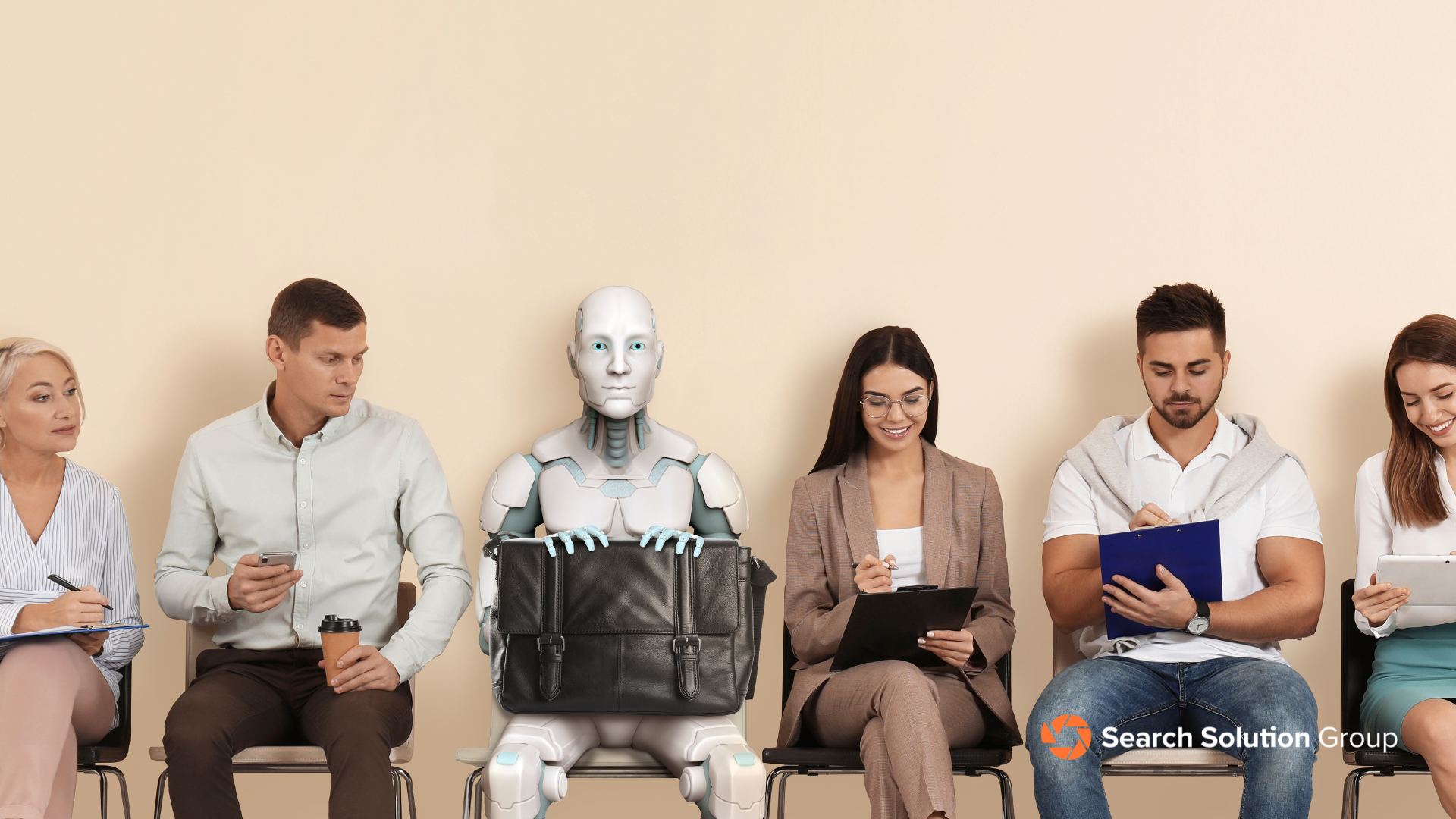
More companies are introducing AI-led interviews, automated phone screens, and fully AI-driven candidate interactions. While these are positioned as efficiency gains, they often come across as impersonal and disconnected. Hiring is one of the most important touchpoints a company has, and when that interaction feels automated, it leaves an impression, and not exactly a good one.
In many cases, this approach is doing the opposite of what companies intend. Instead of improving efficiency, it’s pushing strong candidates away. High-quality talent, especially at the leadership level, expects real conversations. When the first interaction is with AI, it can signal a lack of investment in the process. Many candidates simply opt out rather than move forward with something that feels transactional.
This isn’t just a candidate perspective. HR leaders are raising the same concerns. In the America’s HR Leaders Sound Off on AI from The Wall Street Journal, executives acknowledged the value of AI but questioned how far it’s being pushed into areas that require human judgment and interaction.
At its core, hiring is about building relationships. Candidates are evaluating the company just as much as they’re being evaluated. If the experience feels cold or automated, it impacts how they view the organization. For senior-level talent, especially, the expectation is a more thoughtful and engaging process. They’re not just considering a role, they’re assessing leadership, culture, and growth opportunities. Who wants to grow in a company that feels inauthentic, and quite frankly, lazy?
That’s where the real risk comes in.
Over-reliance on AI can weaken employer brands, reduce engagement, and make it harder to attract top talent. Efficiency matters, but not at the expense of a human experience.
The organizations getting this right aren’t removing the human element. They’re using AI to support it. Technology should handle the repetitive parts of the process, while people focus on conversations, decisions, and relationships.
AI isn’t the problem.
How it’s being used is.
HR leaders have an opportunity to strike the right balance. The companies that do will stand out for the right reasons.
Because at the end of the day, hiring is still about people, and first impressions matter.